KVKs in Madhya Pradesh
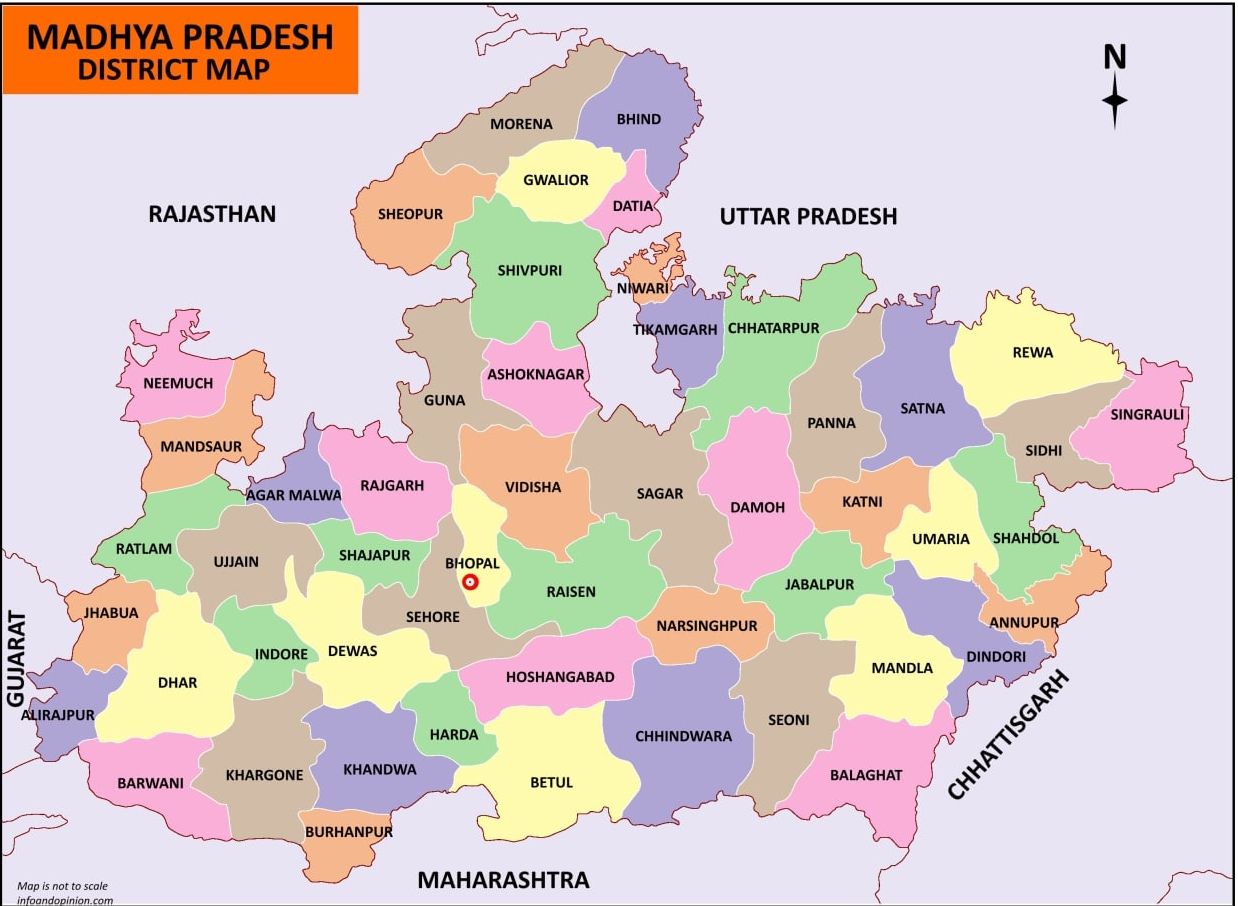
The economy of Madhya Pradesh is primarily agriculture based and the main food crops are sorghum, wheat, rice and coarse grain such as Kodo millet, little millet and Italian millet. Important among commercial crops are pulses, oilseeds, cotton, sugar cane and medicinal crops. The state is poised for a breakthrough in soybean cultivation. In the state Kharif crops occupy 60% and rabi crops 40% area with 71.4 % area under food grain production. Nearly 59% of landholders are marginal whereas small farmers share 18% of farmland. Low literacy (35.45%), undulating topography, large waste land (13.2%), under developed irrigation potential (23%), low ground water utilization, large proportion of rain fed agriculture (75%), practice of Kharif fallows (3.6%), low cropping intensity (131 %),low fertilizer consumption (50 kg/ha), high proportion of low value crops, and high population of low productive live stock are the major constraints of the state.
|
JNKVV |
RVSKVV |
NGOs |
|||||
|
1. |
Balaghat |
1. |
Ashoknagr |
1. |
Bankhedi |
||
|
2. |
Betul |
2. |
Badwani |
2. |
Burhanpur |
||
|
3. |
Chhatarpur |
3. |
Bhind |
3. |
Ratlam |
||
|
4. |
Chhindwara |
4. |
Datia |
4. |
Raisen |
||
|
5. |
Chhindwara-II |
5. |
Dewas |
5. |
Satna |
||
|
6. |
Damoh |
6. |
Dhar |
6. |
Sehore |
||
|
7. |
Dindori |
7. |
Dhar-2(Manawar) |
7. |
Indore |
||
|
8. |
Harda |
8. |
Guna |
8. |
Vidisha(Not Functional) |
||
|
9. |
Jabalpur |
9. |
Gwalior |
|
|||
|
10. |
Katni |
10. |
Jhabua |
ICAR |
|||
|
11. |
Mandla |
11. |
Khandwa |
1. |
Bhopal(ICAR)
|
||
|
12. |
Narsinghpur |
12. |
Khargone |
|
|||
|
13. |
Panna |
13. |
Mandsaur |
IGNTU
|
|||
|
14. |
Rewa |
14. |
Morena |
1. |
Anuppur |
||
|
15. |
Sagar |
15. |
Neemuch |
||||
|
16. |
Sagar-II |
16. |
Rajgarh |
||||
|
17. |
Seoni |
17. |
Shajapur |
||||
|
18. |
Shahdol |
18. |
Sheopur |
||||
|
19. |
Sidhi |
19. |
Shivpuri |
||||
|
20. |
Singarauli |
20. |
Ujjain |
||||
|
21. |
Tikamgarh |
21. |
Agarmalwa |
||||
| 22. | Umaria |
22. |
Alirajpur |
||||